
We Went to Nationals and Came Back with Something Better Than a Trophy
The journey to Hult Prize Nationals and what it means for the future of Lodgr.

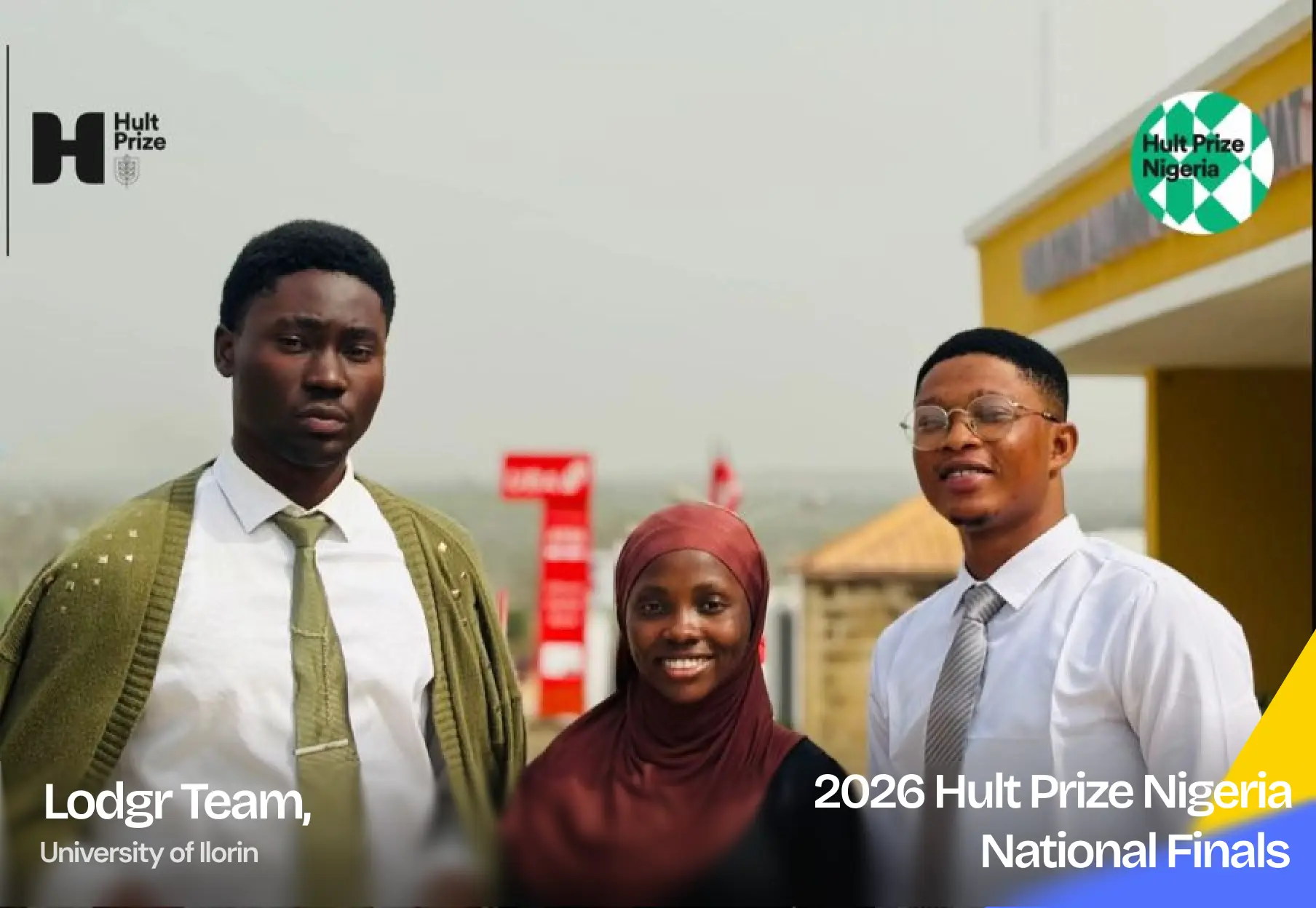
The Argument That Started Everything
The whole thing started because YK and I had a disagreement.
YK is Ladipo Olayinka — Operations Manager at CodePulse, my guy, my brother, and occasionally, my biggest headache. We were on a Saturday evening sync, wrapping up agenda items, when he told me about the Hult Prize. Just like that. Casual. Like he hadn’t just introduced an idea that was about to completely hijack my evening.
He said: you should apply.
I said: absolutely not.
Now, to understand why I said no, you have to understand something about me. I don’t enter rooms I’m not confident I can own. CodePulse at that point was early — full of potential, zero receipts. And submitting a half-baked idea to one of the world’s most competitive startup competitions just to say we tried? Not a bet I was willing to place.
I believe you should only bet on yourself when you believe you can win.
YK disagreed. Loudly. Passionately. With the energy of someone who believes in you more than you believe in yourself at that moment, which is both the most annoying and the most beautiful thing a person can do for you.
We went back and forth. It became a whole thing. The argument lingered after the call ended.
And then I did what I always do when something unsettles me. I went to my jotter.
The Jotter. The Idea. The Name.
I keep ideas in a jotter. Ideas that arrived before their time, waiting for the right resources, the right team, the right version of me. You don’t throw those away. You file them carefully and you wait.
That night, I flipped through and found the one about student housing.
I’d seen the problem too many times. Friends showing up to school gripping printed receipts for hostels that existed only on someone’s phone. Landlords collecting six months upfront in cash, entire arrangements built on nothing but trust and prayer and the hope that the person on the other end wasn’t lying. No verification. No recourse. No system. Just hustle and hope and sometimes, humiliation.
The idea had been sitting there, patient as anything.
I pulled it out.
I called it Lodgr.
Here’s what I did next: I went to Canva. I knew how pitch decks were supposed to work — years of working as a fullstack developer inside startups, watching product managers build decks that made serious people move serious money, had given me a blueprint. I followed it. The why, the market, the revenue logic. Twelve slides. Lodgr was still rough at the edges, but the pitch was honest, the problem was real, and sometimes that’s enough to get you through a door.
I submitted at the very last minute. The actual, literal, die minute. YK was probably somewhere refreshing his email, waiting to see if I’d finally done it.
We settled the disagreement shortly after — laughed about it, even. And I’ll say this about YK: that argument is one of the best things that ever happened to Lodgr. If he hadn’t pushed me that evening, I would have closed my laptop and gone to bed and this whole story wouldn’t exist. Some people argue with you because they’re difficult. YK argued with me because he could see something I was too cautious to look at directly.
We’ve been tighter ever since.
Valentine’s Day, First Runner-Up, and a Birthday That Felt Like the Universe Was Showing Off
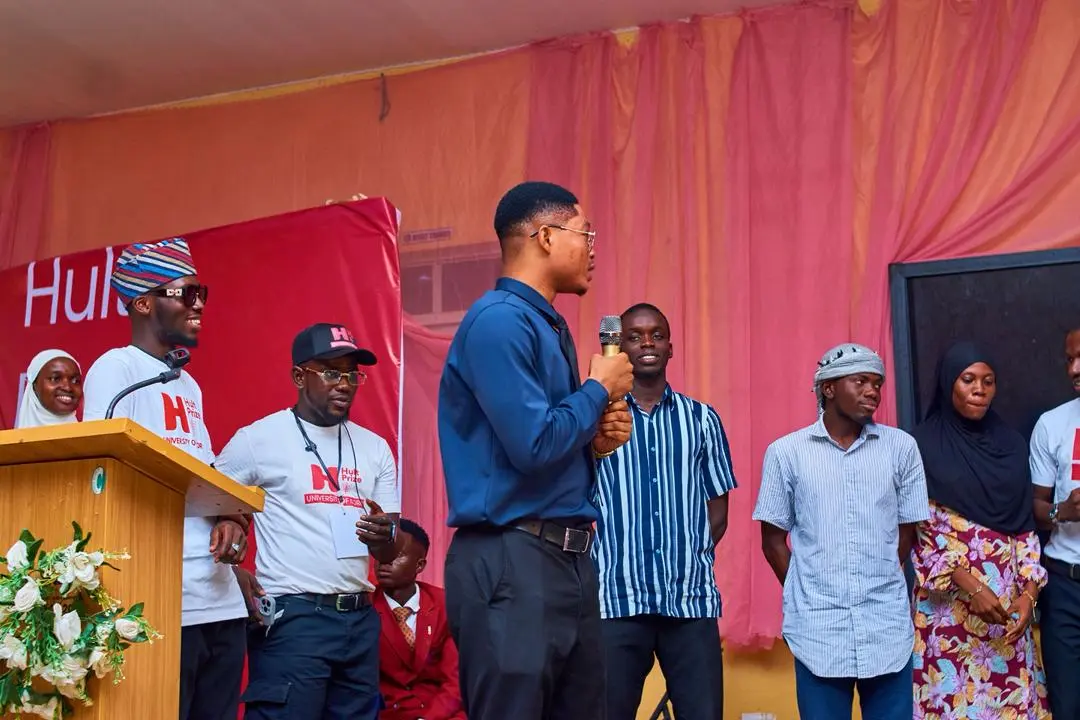
We were selected for the on-campus competition.
February 14th. Valentine’s Day. The air on campus had that specific energy — people doing the absolute most, someone always walking past with flowers that cost more than their data subscription. And there I was, pitching a housing startup to a panel of judges. Lodgr at that point had a deck, a problem statement, and the stubborn conviction that we were onto something real.
Over 150 startups had applied. Only a few made it to the pitch stage.
But before I tell you how it went, let me tell you what it cost to get there.
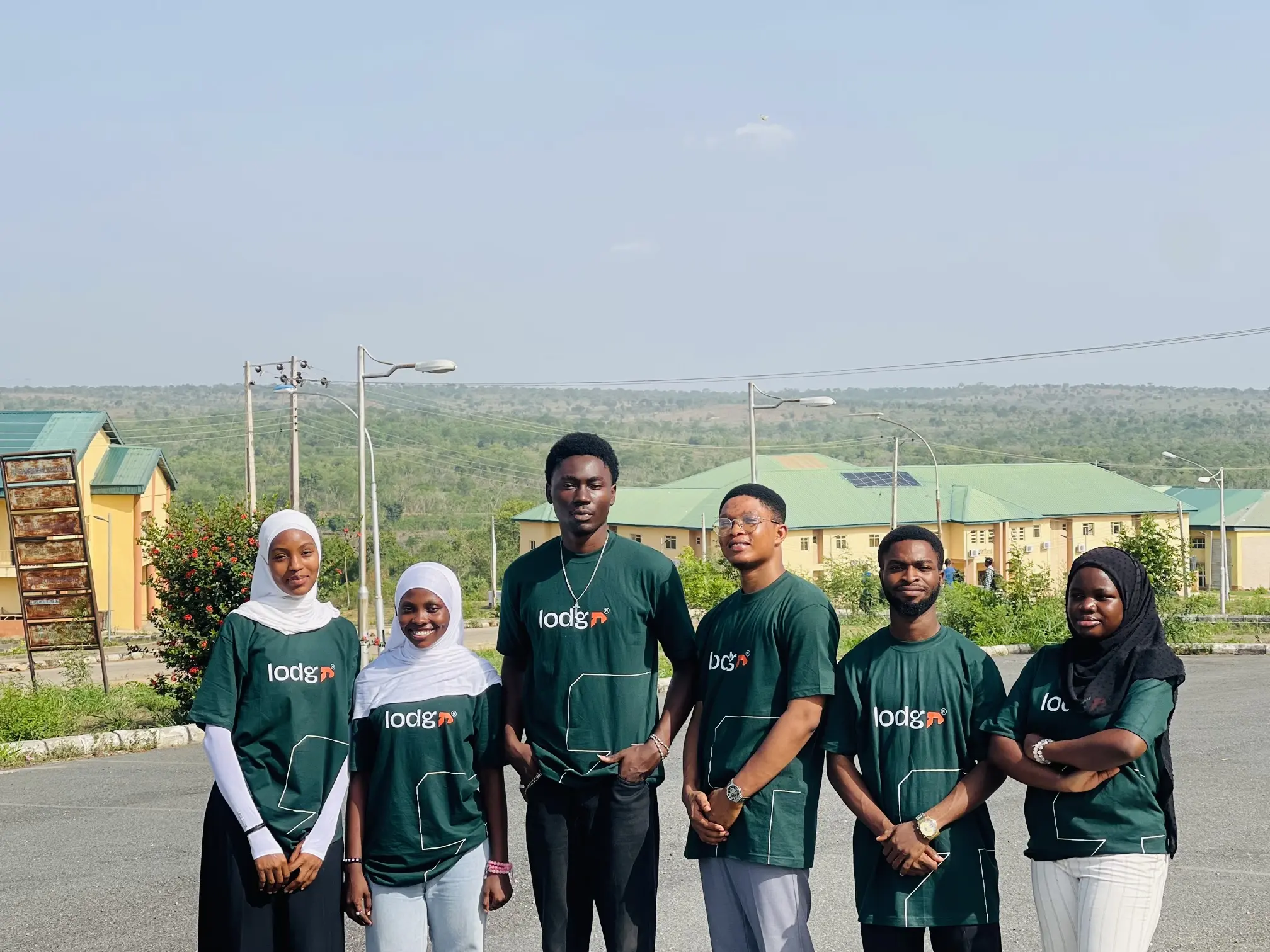
Three days before the campus competition, we were running drills. Every night. At least eight full run-throughs daily. Qayyah, our Creative Director, making sure every slide landed right. Akorede, my close padi and frontend developer, locked in. Sammie, our UI/UX designer, holding it all together visually. And YK — our acting judge — interrogating us with questions that honestly made the real judges feel mild in comparison. (YK, I see you. Still annoying. Still necessary.)
We ran every scenario. One person speaking alone. All of us going one after the other. Controlling the slides ourselves, or handing that off. We timed everything until timing stopped being a thing we thought about and just became something we did.
What made it harder — and I want to say this clearly because I’m genuinely proud of every single one of them — is that aside from Sammie, the rest of us: Akorede, Qayyah, YK and I are all Optometry students. And that same week, we had a 3-unit Anatomy exam. So the schedule looked like: read for exams, prep the pitch, sleep somewhere in between, repeat. For me personally it was a different kind of pressure — I was building the application, making sure everyone had their scripts, coordinating the whole thing, and also somehow supposed to know the brachial plexus by Thursday.
We gave it everything we had.
Qayyah, Akorede, Sammie, YK — you are the real MVPs. This one was for all of us.
We came second.
First runner-up.
First runner-up to who, exactly? To Aerasentra. And honestly, they deserved every bit of that win. They built a gas leakage detector — a device that sends SMS alerts and sounds an alarm the moment gas levels in a space reach dangerous concentrations. Practical, life-saving, and exactly the product that makes you stop and ask yourself why nothing like this was already sitting in every Nigerian kitchen. We’ve since become friends with the Aerasentra team. There’s a real bond between founders who’ve stood in the same room under the same pressure and come out of it still building.
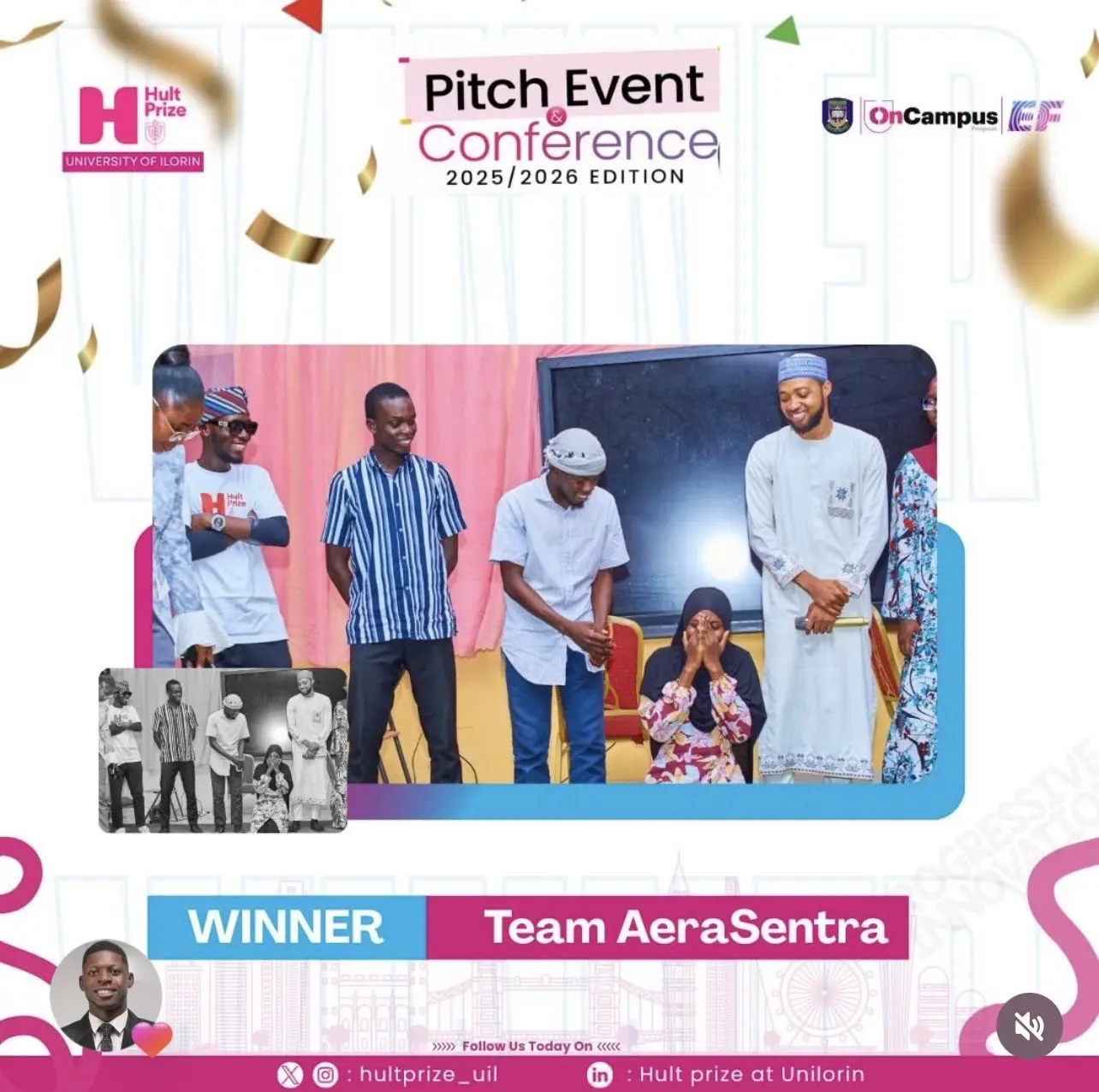
Losing to them? No complaints.
Side note: I had already made their team lead, Zainab, promise me 10% of the prize money if they won (and she is yet to buy me my boobo as she promised 😂) — back at the campus competition stage, before we even knew we’d both make it to Nationals. I have a thing for spotting winners early. More on that later.
Normally, coming second means you go home and watch the winner represent your school on the bigger stage. That’s just how it works.

Olamide Otasanya
National Coordinator, Hult Prize Nigeria
But Olamide Otasanya — the National Coordinator for Hult Prize Nigeria — had watched our pitch and made an exception for us to compete at Nationals. Just like that.
A few weeks after the campus competition, he got on a call with me. And that conversation changed something.
He talked to me about how to properly position Lodgr for serious investment. About what it actually means to walk into rooms where people have seen a thousand pitches and are looking for reasons to say no. He didn’t have to do that. We were the first runner-up from a campus competition, not his primary responsibility. But he gave me his time, his honesty, and his perspective — and I left that call thinking sharper than I did going in.
Every startup that made it to Nationals should count themselves lucky to have Olamide Otasanya as National Coordinator. He is genuinely one of the best things about the Hult Prize Nigeria experience — not because the role demands it, but because he’s chosen to make it mean something.
I still think about some of what he said.
And then — February 15th. My birthday.
The day after pitching to a panel of judges on Valentine’s Day, coming second against a legitimately brilliant team, getting invited to Nationals by exception, and having one of the most useful founder conversations I’d had in months.
I turned a year older and it genuinely felt like the universe had decided to bundle everything good into 48 hours just to see if I’d notice. I noticed. I was grateful. It felt like a double celebration that I hadn’t planned for but somehow deserved anyway.
The Weeks That Followed Were About Proof
Because coming second, getting an exception, and having a great birthday is wonderful — but at some point, somebody serious is going to look you in the eye and ask why would students actually use this? And you need an answer that isn’t just your own voice echoing back at you.
So we rolled out forms. To students, to landlords, to property owners. The data came back clean: the problem is real and people want it solved.
We had about 400 people willing to use Lodgr in the early weeks, with barely even a product to show them.
We built a waitlist. We hit 1,000 in a month.
Then we learned something every Nigerian founder eventually learns, usually the expensive way: most Nigerians don’t open their emails. We set up a WhatsApp community link and only 30% of the people who filled the form actually joined. (A lesson. Well learnt. Filed permanently under do not repeat.) We pivoted to meeting people where they actually live — which, in Nigeria, is WhatsApp.
By the time Nationals came, we had: a live waitlist, real traction, a go-to-market strategy that held up under scrutiny, two property owners with genuine interest, and a partnership forming with FUNAAB that would eventually help us scale from 900 to 2,000-plus students on the waitlist.
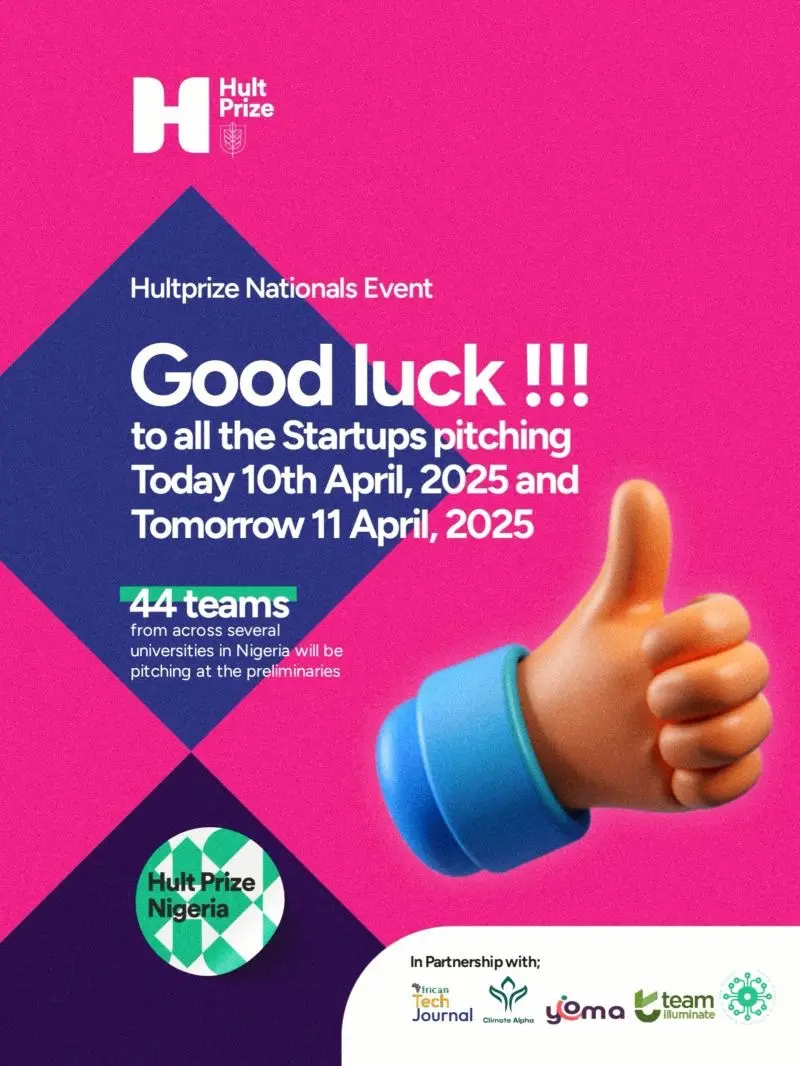
Out of 600-plus startups that applied for Hult Prize Nigeria, we were part of the top 44.
Top 23. On a Stage That Wasn’t Built for Us.
The preliminary round was online. Network was not on our side. The pitch didn’t land the way I’d rehearsed it — knowing exactly what you want to say while a bad connection eats half of it alive is its own particular frustration. But the deck held. The judges leaned in. They asked sharp questions.
I answered every single one.
We made the top 23.
I want to stay with that a moment because it’s easy to scroll past. This was proptech. Student accommodation. On a stage where the world was probably looking for the next revolutionary AI model, the next agritech breakthrough, the next aquatech play. Ideas with global buzz attached.
And we, with a housing marketplace for Nigerian students, made the top 23.
One of the judges told us to work on our pricing breakdown. He was right. I had assumed the panel already understood Nigerian student accommodation price ranges and hadn’t walked them through the numbers the way I should have. That assumption cost us precision on the projections. I went home and fixed it that same night.
The Question That Broke Us Open
The national stage. Senior judges. A different weight in the room.
They asked: “How many properties do you have listed? And how much have you made so far?”
This is the part I replay.
We had made revenue — real, actual revenue. Manually. Acting as middlemen, getting students placed in accommodation through phone calls, personal relationships, and a lot of follow-up. Real work. Real money.
But no paper trail. No transaction logs. From where they were sitting, we could have been anyone with a coherent story. And a coherent story without documentation is, to an investor, just a story.
That was our weak link. I knew it before they finished asking. I answered honestly and watched the gap between what we’d done and what we could prove sit in the room like an uninvited guest.
We didn’t make the top 3.
Devspace Won. And I Had Already Seen It Coming.
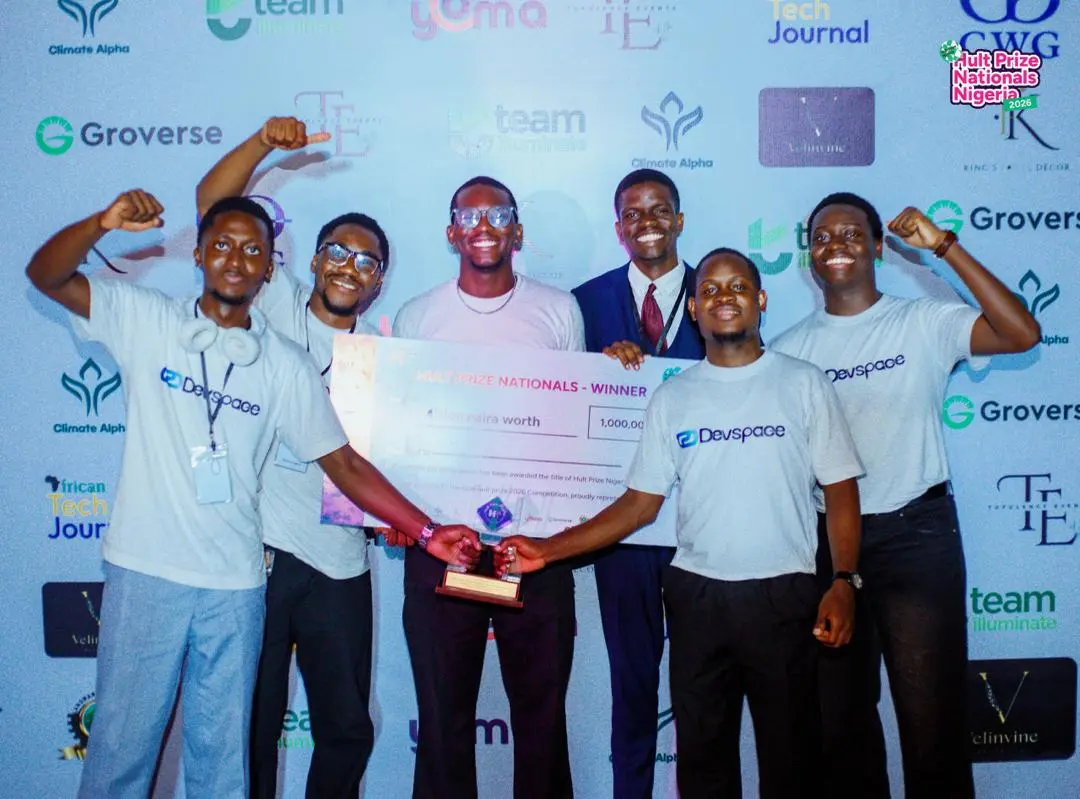
The team that took it home was Devspace — an edtech platform. And before anything else: they deserved it. Their pitch was polished, confident, well-grounded. Watching them was one of those moments where you put aside whatever you’re rooting for and just appreciate something being done well.
After the competition, I got to spend time with Wesley, co-founder of Devspace, and Osato, their backend developer. Really impressive guys. We talked freely — about building, about the problems they were solving, about what comes next. I even told them about Nannoy Platforms, an edtech my close tech friend built that covers similar ground to theirs. It was one of those conversations that makes you glad you showed up even when things didn’t go the way you planned.
I also reconnected with someone I hadn’t seen in two years: Dr Femzy, co-founder and CTO of Errandly. He barely remembered me at first — which, fair enough. But back in 2022, he ran Femzy Online College, an online platform he built specifically for UI students preparing for post-UTME. I was one of his students. He gave me resources on Express.js back then, at a point where I was still figuring out what backend development even meant for me. That guidance became a direct thread to who I am as a developer today. Standing in the same room with him as a fellow founder, years later, felt like something.
He could barely remember me. I remembered everything.
I also met the CEO of Errandly for the first time. He spoke to me about what it takes to be a student founder — and more specifically, what it takes to be a student founder in a medical profession, which hit differently given that I’m studying Optometry. It was the most grounded conversation I had that entire day.
I have a thing for spotting winners early. At the campus competition, I had already made Aerasentra’s team lead promise me 10% of the prize if they won. At Nationals, after checking out Devspace’s project properly, I looked at Osato and said the same thing. They came out National Champions.
Maybe I should start charging for this.
(And yes — CodePulse is, more or less, what Devspace is. The irony has not escaped me. YK, if you’re reading this: I know. I know. We’re not having that conversation again.)
Going Home
There is a particular quiet on the drive home from a competition you almost won. Not grief. Not regret exactly. Something more like processing — the silence that isn’t empty, just full of things that haven’t found words yet.
We sat with it. We wondered what would have happened if we’d entered with CodePulse. We let ourselves wonder without staying in the wondering too long.
Because here is what Hult Prize actually gave us, and I want to say this carefully:
It gave Lodgr purpose. Not motivation — we already had that. Purpose.
The clarity that only comes when you’ve been forced to explain yourself to people who owe you nothing. Who don’t know your name. Who aren’t clapping before you finish your sentence.
Throughout Q1 we pushed past what we thought were our limits. We reached out to people we had no business reaching out to. We refined the pitch so many times it stopped feeling like a pitch and started feeling like a conviction.
We have a signed MOU with NAUS now. We have 2,000-plus students on the waitlist. We have 50 campus ambassadors deployed across campuses. We have a landlord who handed us full property management of a 50-room hostel before we’ve even officially launched.
None of this existed before a Saturday evening argument and a jotter entry.
We didn’t win.
But I keep coming back to something —
We went in with an idea and came out with a company. There’s a difference. It matters.
The next room is bigger. We know what to bring.
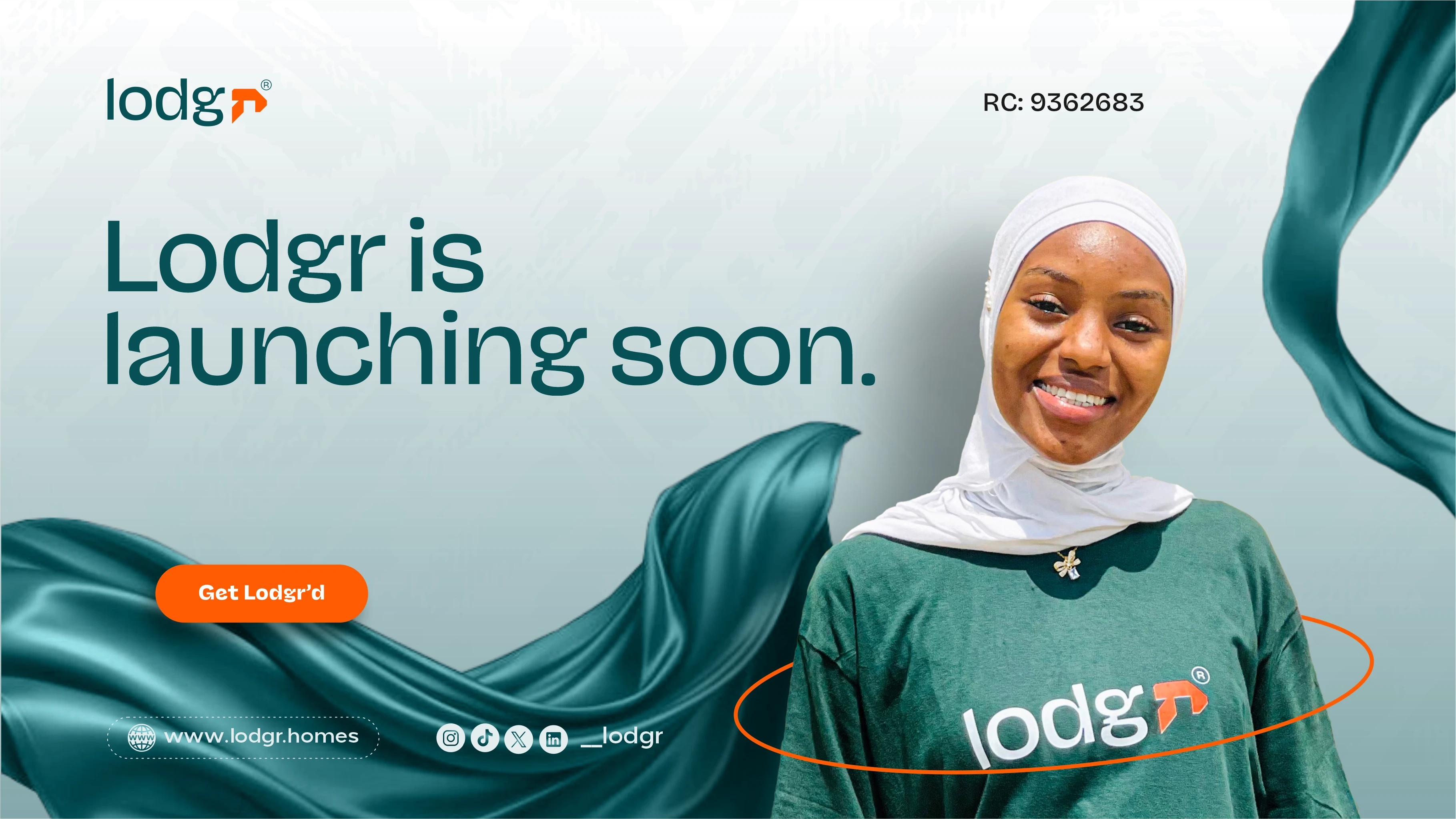
Follow the Lodgr journey on X and LinkedIn. If you’re a student looking for verified campus accommodation, join the waitlist at lodgr.homes.
Discussion
Be the first to comment.